
Unpreserved Wedding Gowns Face Five Preventable Forms of Long-Term Deterioration
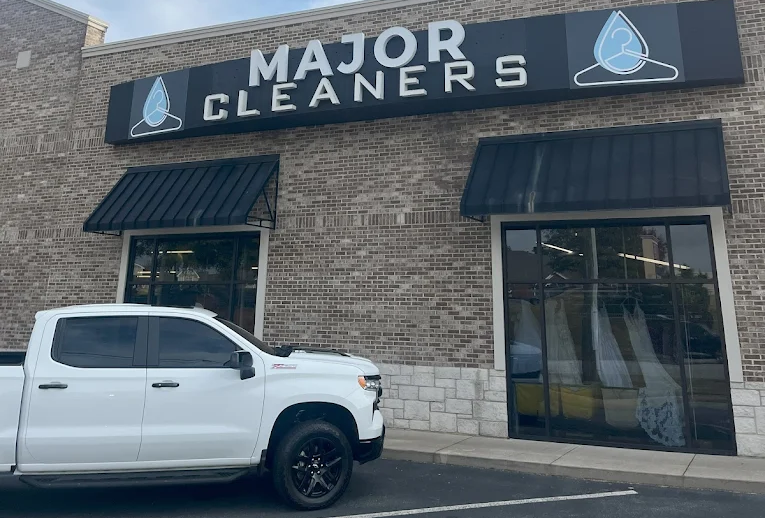
Greenville, United States – June 12, 2026 / Major Cleaners /
Major Cleaners Explains Five Common Signs of Wedding Dress Storage Damage
Wedding gown preservation experts highlight the most common forms of deterioration found in dresses stored without professional preservation.
GREENVILLE, SC – Wedding dresses are often carefully stored after the celebration ends, yet many brides are surprised to discover visible damage when they revisit their gown years later. According to Major Cleaners, these changes are not usually the result of neglect but rather the natural effects of time, fabric chemistry, and environmental conditions.
Wedding gowns contain delicate materials that continue to react to oxygen, moisture, temperature fluctuations, and residual contaminants long after the wedding day. Without professional wedding dress preservation, these reactions can lead to visible deterioration that becomes increasingly difficult to reverse over time.
Yellowing Is One of the Most Common Signs of Storage Damage
One of the most frequently reported issues is yellowing across the bodice, skirt, or train. Many brides assume the dress was stored correctly because it remained protected in a garment bag or box. However, oxidation continues even in seemingly secure storage environments.
Natural fibers such as silk, cotton, and blended fabrics gradually react with oxygen, causing white and ivory tones to shift toward yellow. In addition, invisible residues left behind by body oils, perspiration, hairspray, perfume, and skincare products continue to oxidize over time, accelerating discoloration.
Uneven Yellowing Often Reflects How the Dress Was Stored
Yellowing commonly appears more heavily along fold lines where fabric has remained under stress for extended periods. Creased sections may discolor faster than surrounding areas, creating streaks or uneven patches throughout the gown. This pattern often serves as a clear indicator of long-term storage without professional preservation.
Hidden Stains Can Appear Years After the Wedding
Another common surprise occurs when brown or tan spots appear on a gown that looked completely clean when it was stored.
Many wedding-day substances, including champagne, cake frosting, sparkling cider, and other sugar-based beverages, can leave residues that are initially invisible. Over time, these residues oxidize and develop into noticeable stains.
Because these stains often emerge months or years after storage, many brides believe they appeared unexpectedly. In reality, the residue was present all along and gradually transformed through chemical reactions.
Early Treatment Offers the Best Restoration Results
Professional wedding dress cleaning and preservation services are designed to remove both visible and invisible residues before oxidation occurs. In many cases, stains that have developed within the first few years can be significantly reduced or completely removed. Older stains may still respond to treatment, although restoration outcomes vary depending on fabric type and stain severity.
Long-Term Folding Can Create Persistent Crease Lines
Crease lines caused by extended folded storage are another common issue. While some folds can be corrected through professional steaming and pressing, others become more difficult to remove as fabric fibers gradually adapt to their folded position.
Different fabrics respond differently to long-term storage. Soft satins and silk charmeuse often recover more successfully, while structured materials such as taffeta and heavier satins may retain semi-permanent crease memory.
Plastic Storage Bags Can Accelerate Fabric Deterioration
Many wedding gowns remain stored in the plastic garment bags provided by bridal shops or cleaners. While these bags offer short-term protection, they are not suitable for long-term preservation.
Plastic can trap moisture, restrict airflow, and release compounds that may interact with delicate fabrics over time. Professional preservation systems instead rely on acid-free materials and breathable storage methods designed to protect gowns for decades.
Fabric Brittleness and Tearing Signal Advanced Deterioration
More serious damage occurs when fabric begins to feel brittle or develops tears along seams, hems, or high-stress areas.
Several environmental factors contribute to this type of deterioration, including ultraviolet light exposure, repeated temperature fluctuations, and residual cleaning chemicals that remain in the fabric. These factors gradually weaken fiber structure, particularly in delicate materials such as silk.
Professional Stabilization May Still Be Possible
When brittleness or minor tearing is identified early, restoration specialists can often stabilize damaged areas and perform repairs that preserve the gown’s appearance. More extensive deterioration may require advanced restoration techniques, including reinforcement or replacement of affected sections.
Humidity Increases the Risk of Mold and Mildew Growth
For brides in Greenville and throughout Upstate South Carolina, humidity presents an additional challenge. Storage environments such as attics, garages, storage units, and exterior closets often experience elevated moisture levels throughout the year.
When humidity remains consistently high, mold spores can colonize fabric and spread throughout the gown. By the time visible spotting appears, mold activity has often been developing for an extended period.
Early Intervention Is Critical
Light mold contamination can frequently be treated successfully when addressed promptly. Moderate cases may leave some residual discoloration despite professional treatment. Severe mold growth can cause permanent staining and structural weakening of the fabric.
Because mold continues to spread as long as favorable conditions remain, prompt evaluation and treatment are strongly recommended whenever mold or mildew is suspected.
Understanding the Importance of Timely Preservation
Although many forms of wedding dress damage can be improved through professional restoration, every type of deterioration becomes more difficult to address as time passes. Yellowing deepens, stains continue to oxidize, crease lines become more pronounced, fibers weaken, and mold spreads.
Professional wedding dress preservation provides an opportunity to remove contaminants, protect delicate fabrics, and significantly extend the life of a treasured gown.

Major Cleaners Provides Professional Wedding Dress Cleaning and Preservation
Major Cleaners specializes in Wedding Dress Cleaning and Preservation Services using its eco-friendly MuseumCare process. The company carefully cleans and preserves wedding gowns while helping protect delicate fabrics from long-term storage damage.
As a Certified Wedding Gown Specialist and member of the International Association of Wedding Gown Specialists, Major Cleaners follows industry-recognized preservation methods designed to maintain the beauty and integrity of wedding gowns for future generations.
Brides who notice yellowing, stains, creasing, brittleness, or mold are encouraged to have their gowns professionally evaluated before the damage progresses further.
Contact Information
Major Cleaners
Phone: 864-675-9499
Email: info@majorcleaners.com
Hours of Operation:
Monday through Friday: 7:00 AM – 6:00 PM
Saturday: 8:30 AM – 2:00 PM
Sunday: Closed


Contact Information:
Major Cleaners
210 Feaster Road
Greenville, SC 29615
United States
Major Bauknight
https://majorcleaners.com/


Original Source: https://majorcleaners.com/wedding-dress-preservation-damage-greenville-sc/


